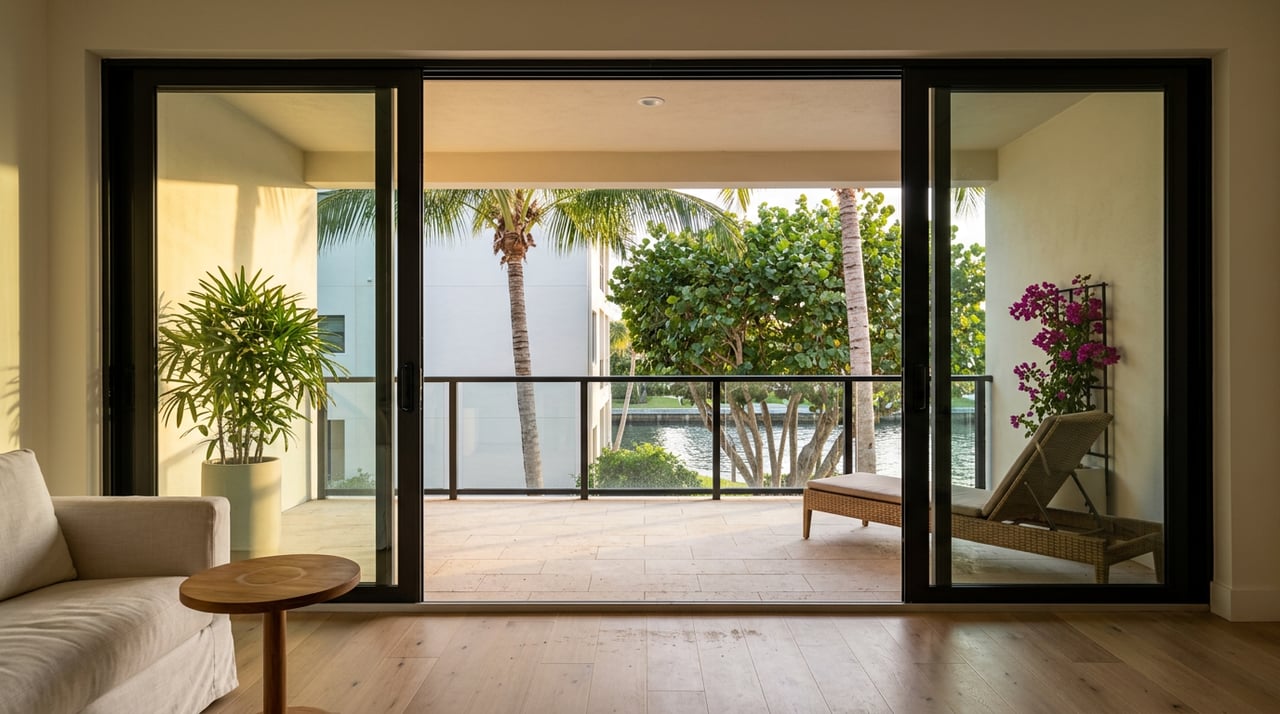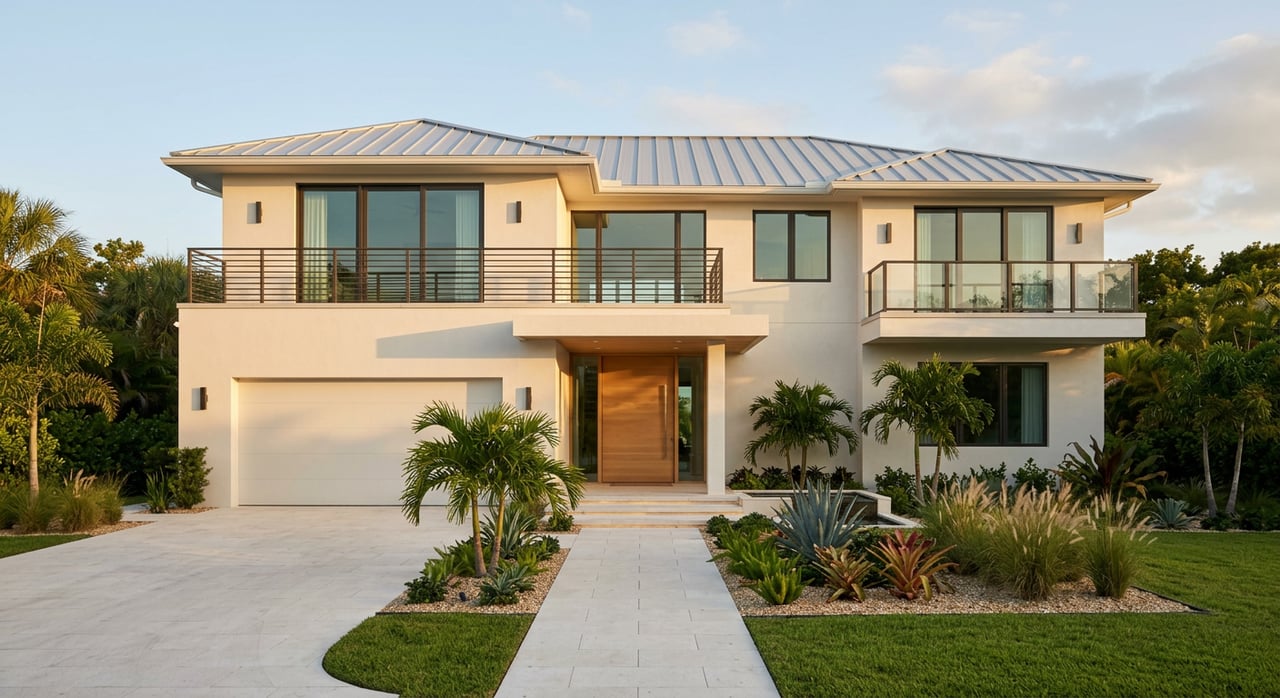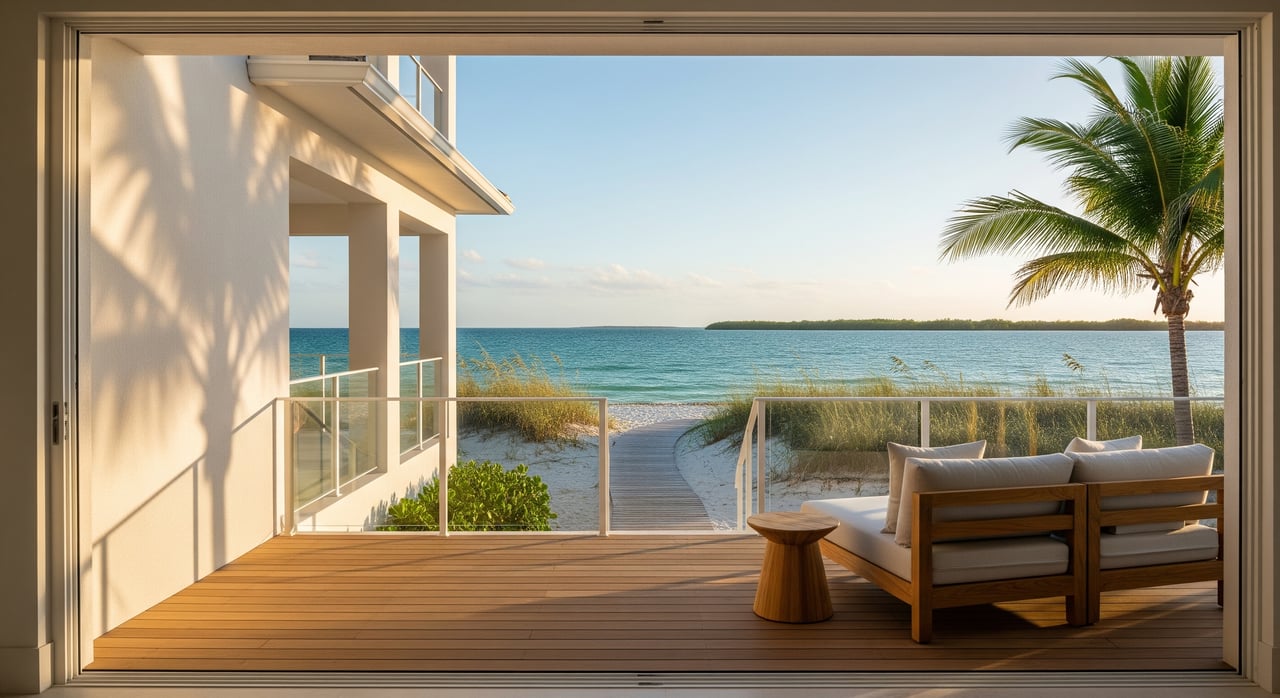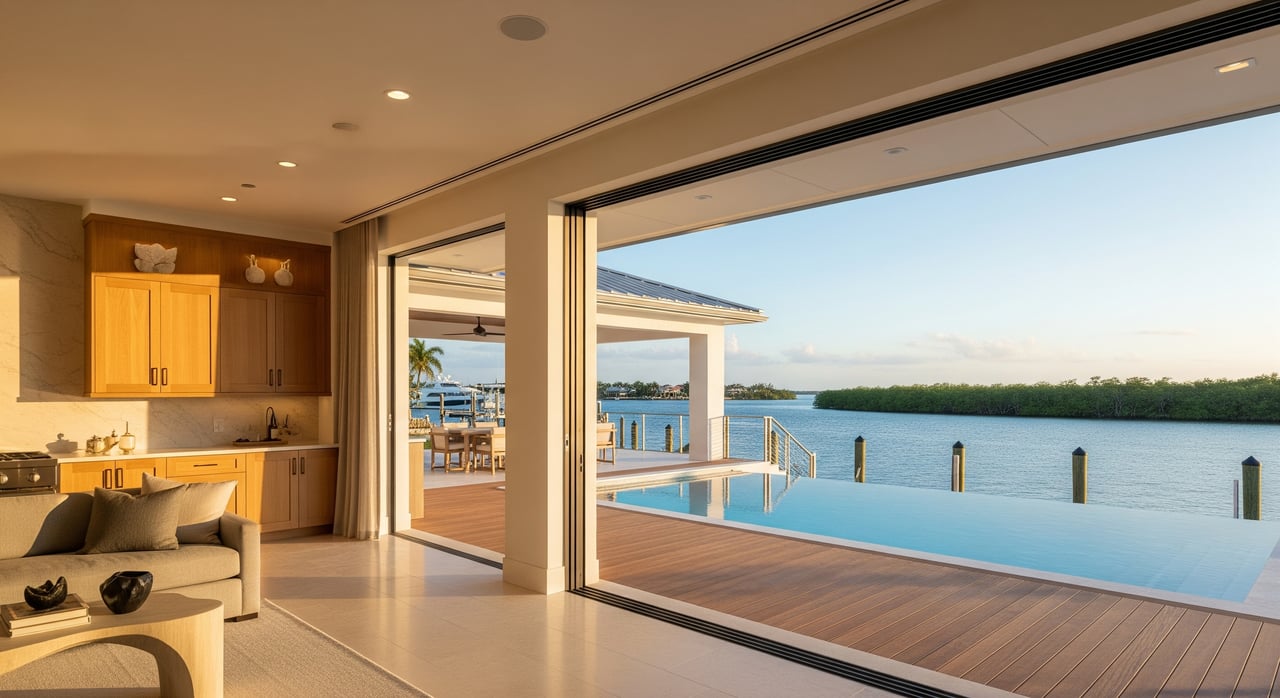
Are you weighing a move-in-ready waterfront home against a renovation project in The Estates of Marco? You are not alone. Many buyers in 34145 want sunshine and boating now, yet also see the appeal of customizing a home to their taste. This guide gives you a clear, local look at timelines, permits, insurance, financing, and resale so you can choose with confidence. Let’s dive in.
Turnkey vs fixer: the tradeoffs
If you want to enjoy your Marco Island lifestyle right away, a turnkey home offers speed and simplicity. You can arrive with a suitcase, start boating, and avoid renovation stress. These properties often have broader buyer demand and can resell faster.
A fixer can deliver custom design and potential value-add if done well. You can select finishes, adjust layouts to match how you live, and address coastal systems to current standards. The tradeoff is time, oversight, and uncertainty. Coastal work can uncover seawall, roof, or corrosion issues that extend timelines and budgets.
In The Estates of Marco, buyer priorities often center on dockage, hurricane resilience, and indoor-outdoor living. That reality tends to favor move-in-ready homes, while major projects appeal to a smaller set of design-forward buyers ready for a coastal build process.
Timing and scope on Marco Island
Project timelines in Collier County hinge on scope, permitting, and supply chain realities specific to waterfront luxury homes.
Cosmetic refresh
Think paint, flooring, lighting, and simple finish swaps. Cosmetic projects are usually the shortest, ranging from a few weeks to 2 or 3 months. Supply delays for high-end fixtures can add time, but you can often enjoy the home while work progresses.
Systems and coastal envelope
Roofing, HVAC, impact windows and doors, septic and drainage, and seawall maintenance fall in the mid-range of complexity. Expect permitting and inspections under the Florida Building Code. Timelines often run 3 to 9 months, driven by engineered plans, material lead times, and contractor schedules.
Full gut, structural, or addition
Major remodels, structural changes, and additions require the most oversight. These projects commonly take 6 to 18 months or more. Custom cabinetry, imported stone, specialty roofing, and millwork can extend timelines. Plan for staged occupancy if you need to use the home seasonally.
Permits and coastal rules
Collier County’s Growth Management and Building Division issues permits and enforces the Florida Building Code. Waterfront elements demand extra attention.
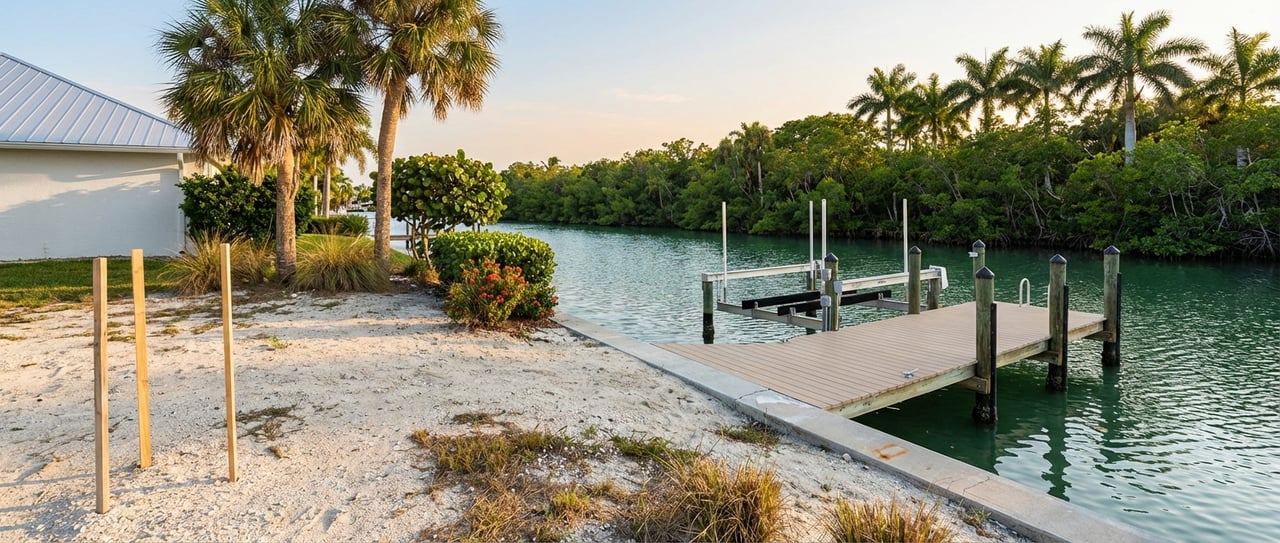
- Seawalls and docks. Work on seawalls, bulkheads, docks, and boat lifts typically requires permits. Some projects may involve county and state approvals, and certain conditions can trigger federal review.
- Setbacks and shoreline rules. Waterfront setbacks, any Coastal Construction Control Line, and shoreline vegetation rules can shape what is allowed. Always confirm before drafting plans.
- HOA coordination. The Estates of Marco rules, CCRs, and architectural guidelines may require approval for exterior changes, docks, hardscape, and visible equipment.
Before you budget, verify what the county and HOA will allow, plus the expected approval timelines. This is essential if you plan to use the home during a specific season.
Contractors and supply chain
The Naples and Marco Island area supports excellent luxury builders, designers, and marine contractors. Top-tier teams book out early, especially in high season. Before you write an offer on a fixer, confirm contractor availability for your likely scope. In Florida, many trades require state or county licensing. Verify licenses and insurance through the Florida DBPR and local records.
Coastal materials can face price swings and delays. Impact-rated windows and doors, specialty roofing, and marine-grade components often carry long lead times. Lock in selections and timelines in writing, and build in schedule contingencies.
Insurance, flood, and wind
Waterfront homes in 34145 face hurricane, wind, and flood exposure. The insurance market is dynamic and premiums can be significant.
- Flood. Check FEMA flood maps and confirm the property’s elevation. Elevation, openings, and mitigation measures influence flood insurance costs.
- Wind and hurricane. Carriers often require wind mitigation features, impact-rated openings, or roof certifications. Hurricane deductibles are common.
- Renovation impact. If your project adds impact windows, roof hardening, or hurricane straps, you may improve insurability and premiums. Factor these items into your scope and budget early.
Engage an insurance professional before closing so you understand underwriting requirements and how planned renovations could affect coverage.
Financing, appraisals, and taxes
Luxury buyers in The Estates of Marco often purchase with cash or use jumbo financing. Standard renovation loans may not fit high-end budgets or timelines.
- Financing. Jumbo lenders have different underwriting standards, larger down payments, and varied policies on renovation draws. Get lender guidance early, especially if you plan significant work.
- Appraisals. Lenders typically appraise based on current condition and comparable sales. Planned renovations may not influence value until work is complete and properly permitted.
- Taxes. If you intend to homestead, learn Collier County’s rules and exemptions. If you plan to rent, ask about local short-term rental regulations, HOA restrictions, and any transient rental taxes that may apply. Confirm your strategy with tax and legal advisors.
Resale positioning in the luxury segment
Turnkey homes often command a premium and sell faster because buyers value convenience and immediate enjoyment. Fixers attract a narrower pool of buyers who are prepared to manage a high-end coastal project.
Quality matters. Permitted work, engineered solutions, and durable selections build buyer confidence, support financing, and help with insurance transfers. Non-permitted or lower-quality work can erode value and slow resale.
If you plan to sell within a few years, focus on updates that match local expectations: kitchens and primary baths, indoor-outdoor flow, dock and lift condition, and hurricane hardening. Avoid over-improving beyond neighborhood norms.
Inspection checklist for waterfront homes
Use this list to guide pre-offer diligence and inspection contingencies for properties in 34145.
- General home inspection by a luxury-savvy local inspector
- Roof age, condition, and remaining life; confirm any certifications
- HVAC age and performance, especially coastal-grade condensers and placement
- Plumbing and electrical systems, including panel capacity and GFCI/AFCI protection
- Termite and wood-destroying organism inspection
- Seawall or bulkhead inspection for movement, leaks, tie-back condition, and cap integrity
- Dock, pilings, decking, and lift condition; verify permits and capacity
- Corrosion and salt-air impacts on windows, doors, fasteners, railings, and pool equipment
- Elevation and FEMA flood zone status; request any existing elevation certificates
- Document review: HOA/CCRs, design guidelines, recent surveys, permit history, prior completion certificates, maintenance records, and any insurance claim history
A simple decision framework
- Define your priorities. Decide whether immediate use or project control matters most, and how much time and oversight you can commit.
- Do pre-offer diligence. Request seller permit history, as-built plans, and seawall and dock records. Line up a general inspector and a marine specialist.
- Test feasibility and budget. Obtain preliminary quotes from one or two reputable contractors and a marine vendor for the likely scope. For bigger projects, get schematic drawings and early permit feedback.
- Check financing and insurance. Speak with a jumbo lender about appraisal and draw requirements. Ask an insurance specialist what is needed to bind coverage.
- Confirm HOA and permits. Review The Estates of Marco guidelines and approval timelines. Verify county and state pathways for docks and seawalls.
- Structure the contract. For fixers, consider contingencies tied to inspections, contractor bids, or financing approvals. For turnkey homes, expect fewer credits.
- Manage the project. If renovating, hire a general contractor or project manager experienced in coastal luxury. Lock in schedules, milestones, and warranties in writing.
- Plan for resale. Match improvements to neighborhood norms, with emphasis on hurricane mitigation, outdoor living, and dock utility.
ROI and risk, without guesswork
Cosmetic updates are usually the most efficient way to boost appeal and livability. System upgrades and hurricane mitigation can be strong confidence builders for buyers and insurers, even if the dollar-for-dollar return varies.
Major layout changes or additions can perform well when they solve a real functional issue and align with local comps. Over-improving beyond surrounding properties can cap your ROI. Coastal projects are prone to surprises, so build a contingency into your budget, often 10 to 20 percent or more, especially for older homes or when seawalls and docks are involved.
Choose what fits your lifestyle
If you want to step off the plane and onto your boat, turnkey likely fits. If you enjoy the design process and want a custom retreat tailored to how you live, a fixer can be rewarding with the right plan and team. In The Estates of Marco, the best choice is the one that matches your timeline, appetite for projects, and long-term goals.
If you would like a local, concierge-style partner to walk you through comps, inspections, permits, and insurance before you commit, connect with Debbie Bur. Schedule a Consultation and get a plan that fits your lifestyle.
FAQs
In The Estates of Marco, how much less do fixers sell for?
- Fixers typically sell at a discount to move-in-ready homes, with the size depending on condition and visible deferred maintenance like seawalls or roofs. The buyer pool for major projects is smaller.
How long do Marco Island luxury remodels take?
- Cosmetic projects can take weeks to 2 months, mid-size systems and finish remodels often span 3 to 9 months, and large structural or waterfront expansions can run 6 to 18 months or longer.
Can I use a renovation loan for a high-end Estates home?
- Many buyers use cash or jumbo loans for luxury properties. Standard renovation programs can have limits that do not fit higher budgets. Speak with a jumbo lender early.
What inspections are essential for waterfront homes in 34145?
- A general inspection, termite and WDO, roof, HVAC, and plumbing and electrical are core. Add seawall, dock, and lift inspections, plus a flood and elevation review and permit history verification.
How expensive are seawall or dock repairs on Marco Island?
- Costs vary widely and can be among the largest expenses in waterfront projects. Always obtain a marine contractor inspection and quotes before finalizing an offer.
Could HOA or county rules stop my project?
- Yes, exterior, dock, seawall, and visible changes usually require HOA approval and county permits. Coastal setbacks and state approvals may also apply, so verify early.