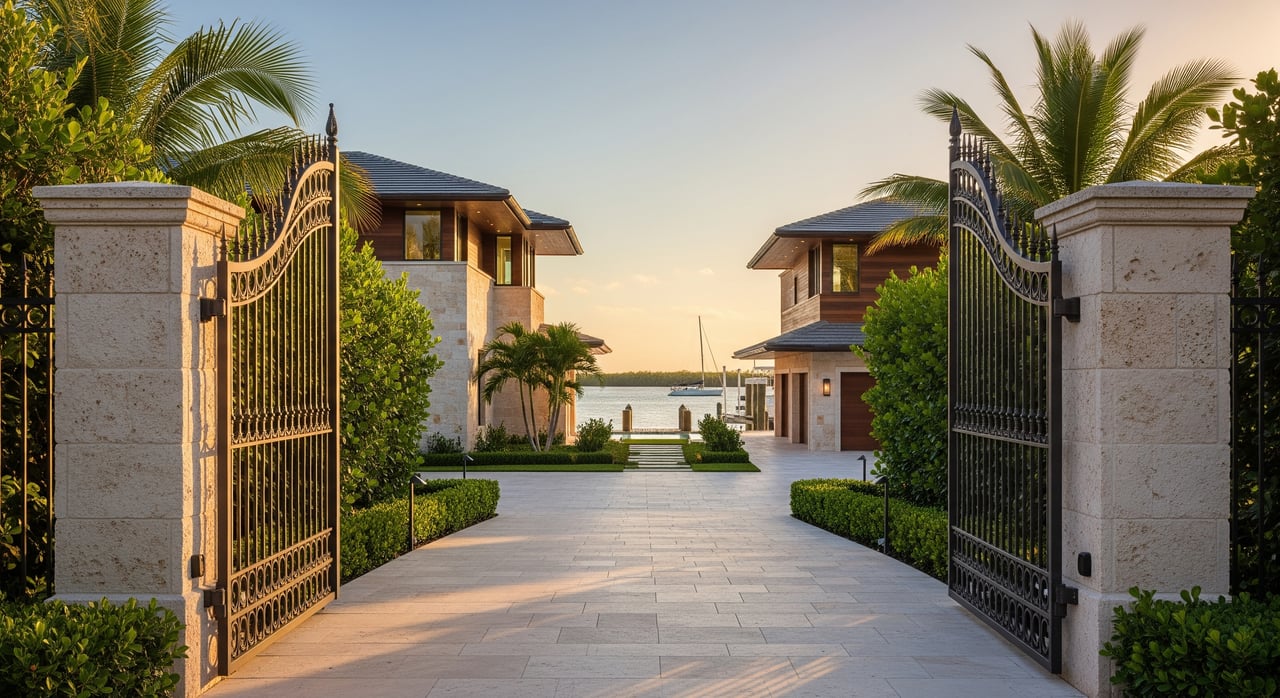
Looking for a place where the gate closes behind you, the bay opens before you, and the only rush is the tide? If you value quiet, space, and the ease of launching a boat a few minutes from home, Key Marco in Collier County deserves a close look. You want privacy and nature without giving up access to Marco Island’s dining, beaches, and services. In this guide, you’ll learn what daily life feels like, how boating access works, and what to verify before you buy in this low‑density coastal enclave. Let’s dive in.
Why Key Marco stands out
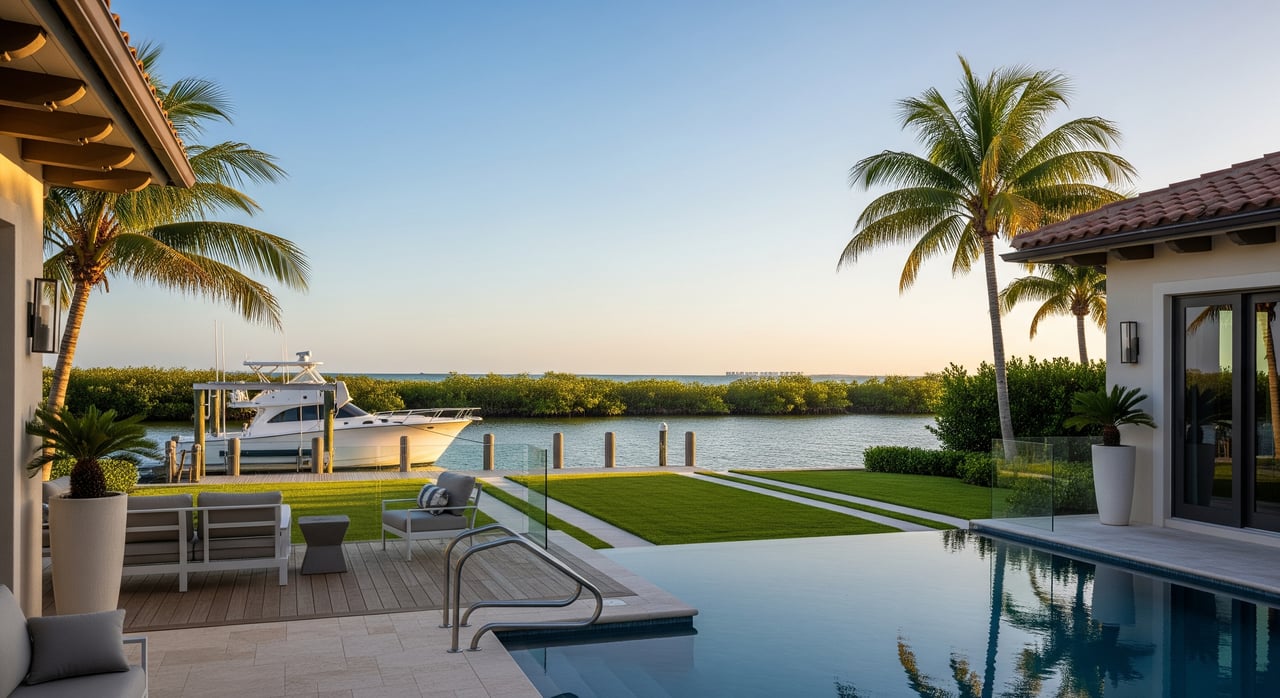
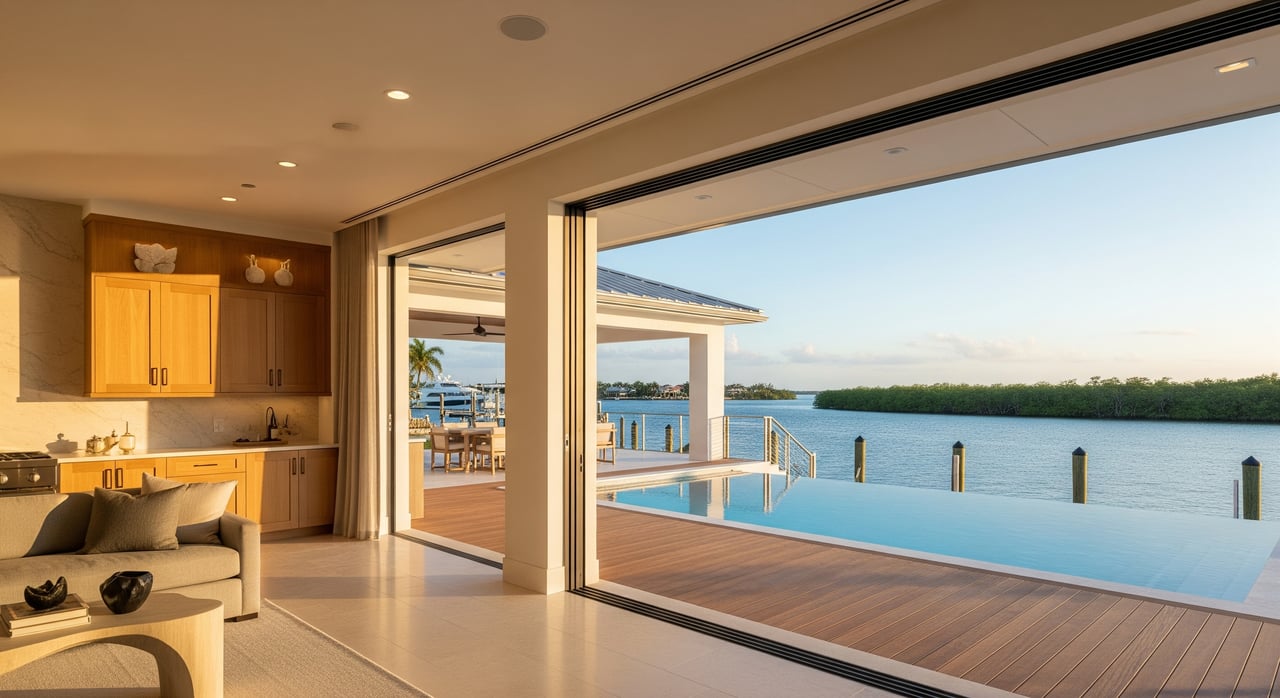
Key Marco is all about gated privacy and low‑density living. Homes are tucked among native vegetation and mangrove buffers that preserve views and reduce sightlines. Many properties offer marina options or the potential for private docks, depending on community rules and shoreline conditions. You are close to Marco Island amenities while enjoying a quieter, more nature‑forward setting.
A day in Key Marco
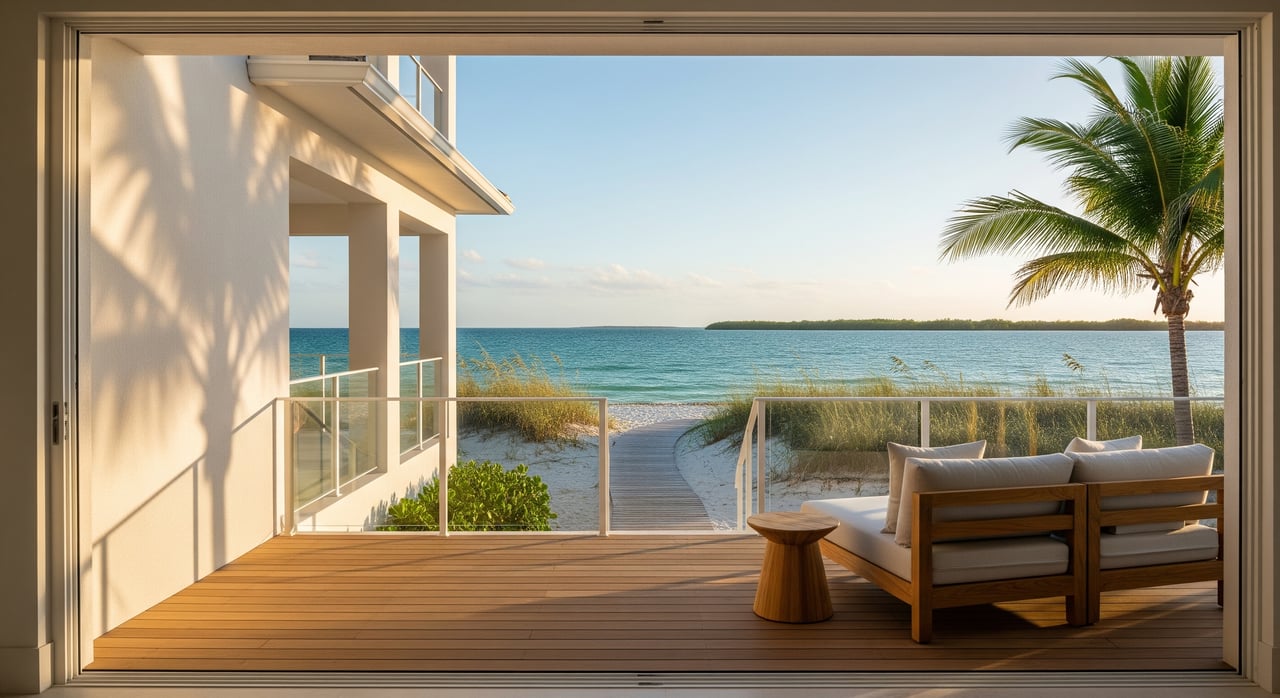
Start your morning with coffee on the lanai as the light lifts over sheltered bay waters. Watch for dolphins cutting the surface and wading birds working the flats. Late morning is ideal for launching a kayak or taking a slow cruise toward the Ten Thousand Islands. Evenings bring golden sunsets and still water, a peaceful backdrop for friends and family.
Boating and bay access
If boating is a priority, confirm whether a home includes a private slip or access to a community marina. Some communities assign slips, others maintain waitlists, and some properties rely on private lifts or boathouses where permitted. Water depth, tides, and shoaling patterns determine the size and type of boats that fit. Review NOAA charts and consult local operators to understand channel depths and currents before you commit. You can start with the NOAA nautical charts portal to get familiar with area waters.
Common activities include bay cruising to Marco Island and the Gulf, fishing the mangrove edges, shelling on nearby flats, and paddleboarding in quiet backwaters. If a slip is included, request a sea trial during your visit to assess real‑world access and maneuvering at different tides.
Privacy meets nature
Key Marco sits near sensitive coastal habitats. The surrounding mangroves, estuaries, and nearby protected areas like the Ten Thousand Islands shape both the beauty and the permitting framework of this place. To understand conservation context, explore the U.S. Fish & Wildlife Service’s page for the Ten Thousand Islands National Wildlife Refuge. Seasonal wildlife such as nesting shorebirds and manatees can create time‑of‑year restrictions for shoreline work. Native landscaping and mosquito control programs also influence day‑to‑day outdoor living.
What to verify before you buy
Buying near the water is different from a typical neighborhood purchase. Take time to verify the following items early.
HOA rules and governance
Every community sets its own standards through Covenants, Conditions and Restrictions. Review architectural controls, exterior colors, privacy landscaping, and any rules that govern dock construction or marina use. Ask for recent budgets, reserve studies, and 12 to 24 months of meeting minutes. These documents help you anticipate future costs and any planned projects.
Rentals and guest policies
Many gated communities limit short‑term rentals or have guest pass procedures. Marina guest slips and transient use can be restricted. Clarify these policies if you plan to host visitors or rent seasonally.
Slips, lifts, and docking
Confirm slip assignment, lift capacity, maintenance responsibilities, and transfer rules. Some communities restrict commercial activity and overnight guest vessels. Ask specifically about water depth at low tide and any shoaling or dredge history.
Insurance, flood, and storm readiness
Most coastal homes fall within flood zones that trigger lender requirements for insurance. To understand a property’s risk profile and potential premiums, check the FEMA Flood Map Service Center for the exact flood zone and request an elevation certificate if available. Wind and hurricane coverage is common in this area, and features like shutters and roof tie‑downs can influence premiums.
Stay aware of seasonal storms with the National Hurricane Center. As a seasonal owner, you should also ask how the community approaches storm preparation, including shutter installation support, storage for outdoor furniture, and post‑storm cleanup protocols. If there is a master HOA insurance policy, clarify what it covers versus your personal policy.
Utilities and everyday services
Service types can vary in low‑density coastal pockets. Confirm your water and sewer connections through Collier County Public Utilities, and ask whether the property relies on county service or private well and septic. Check internet providers and speeds if you work remotely. Clarify trash pickup, parcel delivery procedures, and any HOA rules for vendor or service access.
Environmental and shoreline permits
Shoreline work typically requires multi‑agency approvals. Dock construction, seawall repairs, dredging, and mangrove trimming may involve federal, state, and county permits.
- For state environmental guidance, start with the Florida Department of Environmental Protection.
- For wildlife and boating considerations, review the Florida Fish and Wildlife Conservation Commission resources.
Expect timelines and potential limitations when altering shorelines. Many buyers choose to have a coastal surveyor and a marine contractor evaluate feasibility before closing.
Proximity and access
You live in Collier County, just a short drive from Marco Island’s restaurants, marinas, and beaches. For air travel, Southwest Florida International Airport (RSW) is the nearest major hub for most seasonal owners. Plan arrivals with hurricane season in mind and consider how gate access and visitor registration work for guests.
How to schedule a private preview
Touring a gated coastal community usually requires planning. Here is a simple path to a seamless visit.
- Request access early. Contact the listing agent or community management to arrange a private showing and an amenities tour. Many communities require guest registration.
- Share proof of readiness. Provide proof of funds or a current pre‑approval if requested. This can speed gate permissions and marina access.
- Ask for key documents. Request CC&Rs, HOA rules, the most recent budget and reserve study, meeting minutes, and a current fee schedule.
- Confirm marina details. Ask for assigned slip info if applicable, lift specifications, water depth at mean low tide, maintenance responsibilities, and any waitlist.
- Plan your timing. Visit at daytime, sunset, and at both high and low tides to assess privacy, light, and navigability.
Due diligence checklist
Bring this list to showings and inspections.
- Recent survey and elevation certificate
- FEMA flood zone determination and any past flood claims
- Seawall, dock, and piling condition, plus lift operations
- Setbacks, mangrove buffers, and typical neighbor sightlines
- Gate procedures, visitor parking, and emergency access
- Internet speed tests and cell reception
- HOA meeting minutes, budgets, and reserve studies
- Insurance quotes from a coastal‑experienced agent
Costs and taxes to factor
Budget for HOA dues, slip fees where applicable, flood and wind insurance, landscaping, and waterfront maintenance. For parcel‑specific taxes and exemption details, consult the Collier County Property Appraiser. Also ask about any special assessments for roads, drainage, seawalls, or community capital projects.
Who Key Marco fits
If you want a quiet coastal base with strong privacy and direct access to nature, Key Marco aligns well. You are likely drawn to boating, paddle sports, wildlife, and relaxed evenings at home. You also value easy access to Marco Island’s restaurants and shops without living in the center of it. If those boxes are checked, Key Marco is worth a focused search.
Work with a local advocate
Waterfront due diligence is nuanced. You will benefit from a knowledgeable local agent who can coordinate previews, connect you with coastal surveyors and marine contractors, and help you evaluate HOA and insurance details with confidence. When you are ready to explore Key Marco, reach out to Debbie Bur for a calm, concierge‑style path from first look to closing.
FAQs
What makes Key Marco different from other Marco Island areas?
- Key Marco emphasizes gated privacy, low‑density living, and scenic bay views while keeping you close to Marco Island services and beaches.
How do I check flood risk for a Key Marco property?
- Look up the address on the FEMA Flood Map Service Center, then request an elevation certificate and an insurance quote from a coastal‑experienced agent.
Are short‑term rentals typically allowed in Key Marco communities?
- Policies vary by HOA. Review the CC&Rs and meeting minutes and ask about minimum lease terms, guest passes, and any transient use restrictions.
How can I confirm if a property includes a boat slip?
- Ask for the assigned slip number if applicable, lift specs, water depth at low tide, and written rules for transferring slips or using guest slips.
What permits are needed to build or modify a dock in Key Marco?
- Dock work may require approvals from county, state, and federal agencies. Start with the Florida DEP and the Florida Fish and Wildlife Conservation Commission for guidance.
Where can I learn about local channels and tide conditions before buying?
- Review NOAA nautical charts and monitor conditions through local marinas. Consider a sea trial during your showing to assess access at different tides.
Which airport should I use when visiting or returning seasonally?
- Southwest Florida International Airport (RSW) is the nearest major commercial airport for most seasonal owners traveling to the Marco Island area.