You love the idea of a Marco Island condo, but the options can feel overwhelming. Waterfront or beachfront, high rise or low rise, HOA fees and flood insurance, winter season competition—there is a lot to weigh on a small island. If you are buying for the first time here, a clear plan and local context will save you time, money, and stress. This guide breaks down building types, fees, timelines, due diligence, and a simple path to a confident purchase. Let’s dive in.
What makes Marco Island unique
Marco Island is a small barrier island in Collier County with a finite supply of condos. Most buildings cluster along the beachfront, bay and lagoon edges, and a handful of inland pockets. Because inventory is limited and many owners are seasonal, the market tightens in winter.
Seasonality matters. Demand rises from October through March, and properties often move faster during that time. Off season can bring longer days on market and different negotiation dynamics. Your timing can influence both selection and leverage.
Condo types you will see
High-rise beachfront towers
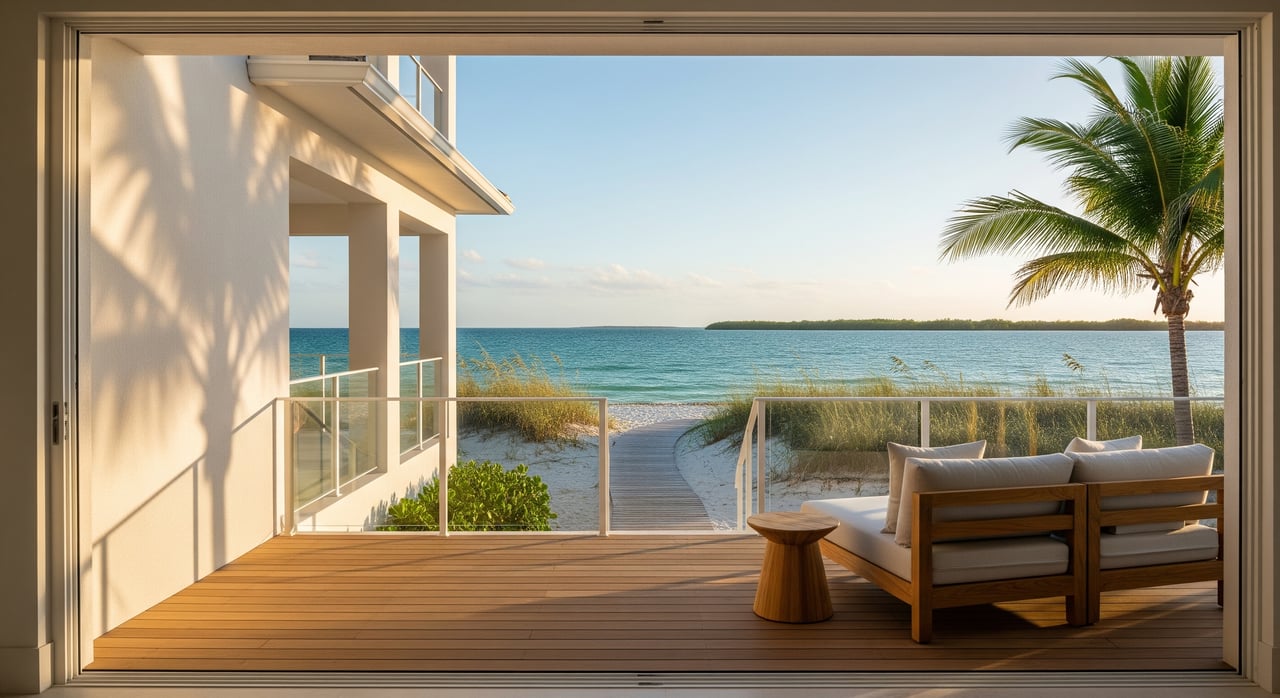
These sit right on or near the beach with Gulf views and full-service amenities. You will often find on-site management, security, covered parking, and robust amenity packages. Monthly dues are higher in these towers due to staffing, insurance, and maintenance for aging concrete buildings. Expect premium pricing for views and direct beach access.
Mid and low-rise complexes
You will see many mid and low-rise buildings from the 1970s to the 1990s around the beach and lagoon sides. They tend to offer fewer amenities, which can mean lower HOA fees. Many have pools and simple fitness rooms, with limited on-site staff. These can be good entry points for first-time buyers who want island living at a more accessible budget.
Townhouse and villa communities
These feel more like a home with ground-level access, private garages, and patios or small yards. Landscaping and exterior care are typically covered by the association. Fees can be lower or moderate based on services. If you want space and a simpler lifestyle, this layout can be a fit.
Marina and boating complexes
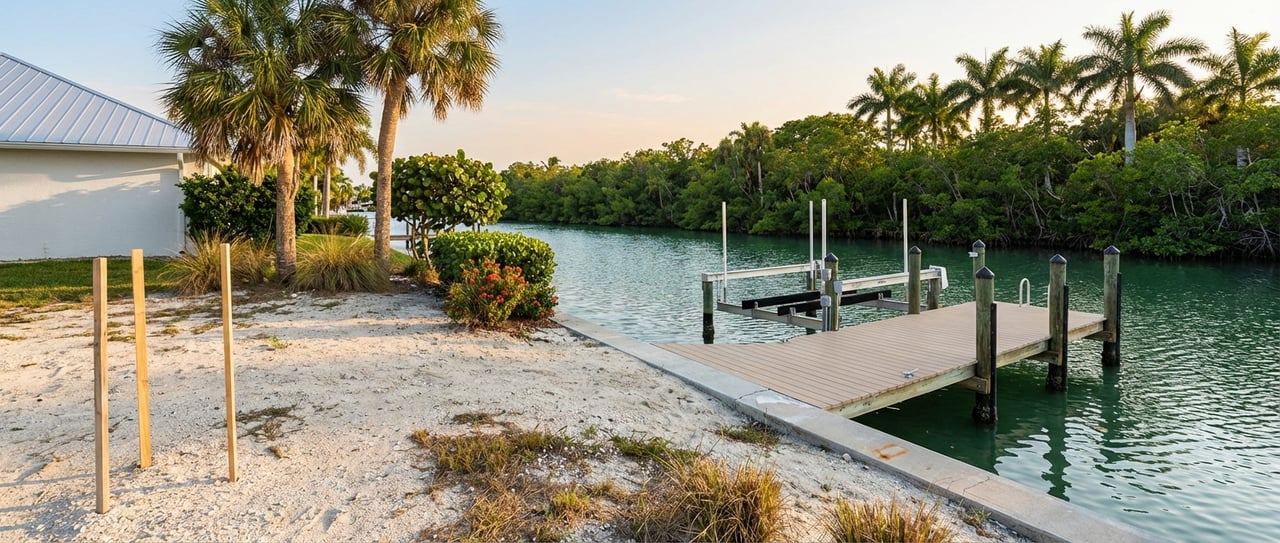
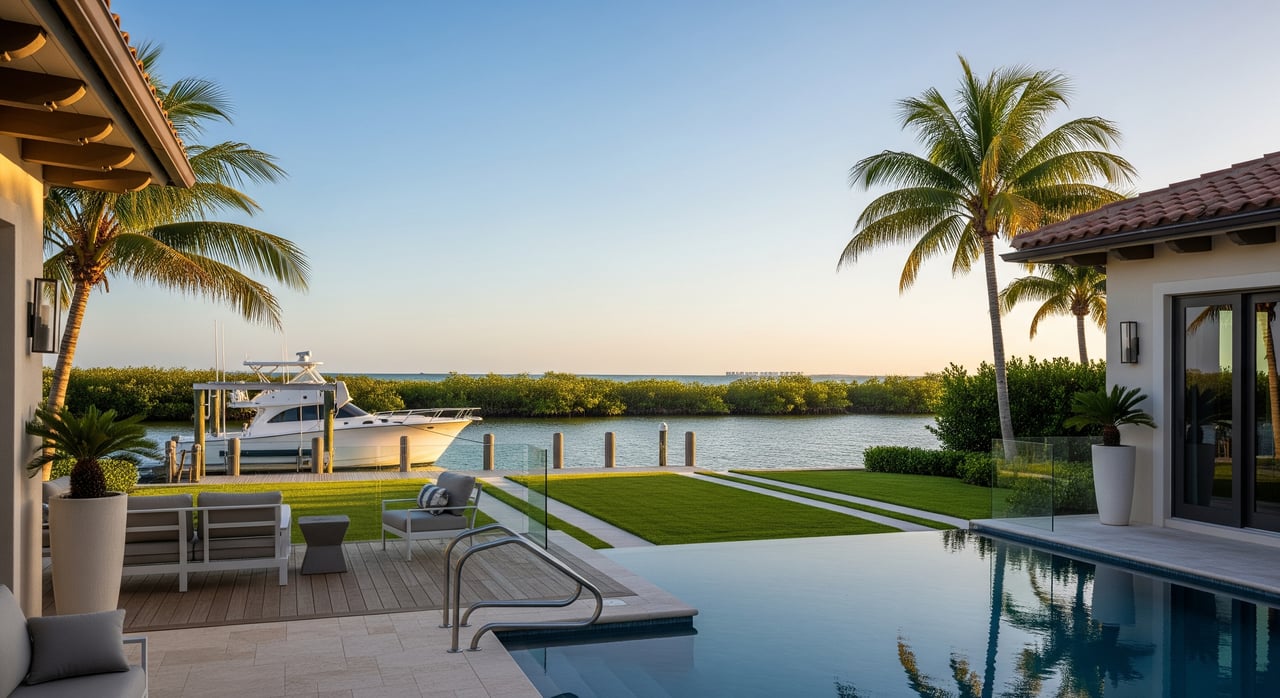
Some communities include dedicated boat slips or access to nearby marinas. Slips are often a separate purchase or lease with waiting lists and transfer rules. If boating is a must-have, confirm availability, transferability, and fees early in your search.
Age and maintenance realities
Much of the island’s condo stock is decades old. Reserve studies, concrete restoration schedules, roofing, windows and shutters, and elevator work are key topics to review. New construction is limited on the island, so plan to weigh renovation and long-term maintenance when comparing buildings.
Prices and HOA fees explained
Marco Island pricing shifts by season and year, and buildings vary widely. Think of these bands as orientation, not exact quotes.
- Entry level: smaller 1-bed or compact 2-bed units without water views. Orientation: lower hundreds of thousands.
- Mid range: renovated 1–2 bedroom with water or partial views, or 2–3 bedroom units in mid-amenity buildings. Orientation: mid-hundreds of thousands to low-millions.
- Luxury and premium: beachfront towers, larger 2–3+ bedroom units, penthouses, and full-service buildings. Orientation: high hundreds of thousands to multiple millions.
HOA fees depend on staffing, insurance, reserves, and amenities. Typical monthly ranges:
- Lower-service or townhouse/villa communities: lower hundreds per month.
- Mid-amenity buildings: mid-hundreds to low-thousands per month.
- Full-service beachfront towers: mid-thousands per month and up.
What fees often include: exterior and common-area maintenance, master insurance for common elements, landscaping, pool and amenity upkeep, management, and sometimes water or sewer. What fees often exclude: interior condo insurance, electricity, and flood insurance for contents. The biggest swing factors are insurance, reserves, and capital projects. Always request the most recent budget, reserve study, and meeting minutes that discuss upcoming work.
Financing and approval basics
Many lenders require condo projects to meet criteria for owner-occupancy ratios, delinquency levels, reserves, and insurance. Older buildings sometimes need extra review or are not approved for certain loan programs. If you need FHA or VA financing, verify the building’s status using the federal lists for FHA condo approvals and the VA condo report.
Get pre-approved with a lender experienced in Florida condos and ask them to pre-approve the project before you write an offer. This step can prevent delays and help you compare buildings with confidence.
Closing timelines to expect
Your search and touring schedule will depend on your travel plans and season. Many buyers start online and schedule a short on-island visit or virtual tours.
Once under contract, cash deals often close in 2–4 weeks. Financed purchases typically take 30–60 days. Factor in association approvals and estoppel processing, which can add time to the closing.
Flood, wind, and insurance 101
Marco Island is coastal and hurricane-exposed. Flood zones and elevation affect insurance requirements and premiums. Before you commit, locate the property on the FEMA Flood Map Service Center and request preliminary quotes for flood and condo interior coverage.
Ask for the association’s current insurance declarations to confirm what the master policy covers and what you need to carry. Many coastal buildings have wind or hurricane deductibles that you should understand up front.
Smart due diligence checklist
Use this quick list to reduce surprises during your inspection window.
- Association financials: request the current budget and the last three months of financials.
- Reserves and projects: review the most recent reserve study and meeting minutes for planned work.
- Insurance: read the association’s policy declarations and confirm coverage limits and deductibles.
- Rules and policies: study bylaws, rental rules, pet policies, and any age or occupancy restrictions.
- Special assessments: ask about pending or proposed assessments, and review board communications.
- Lender fit: confirm the project meets your lender’s criteria. If FHA or VA, check the federal approval lists.
- Estoppel letter: verify dues, assessments, and any owner balances.
- Building reports: review any engineering or inspection reports on concrete, balconies, windows, roof, and elevators.
- Boat slips: if applicable, confirm availability, transfer rules, and all fees in writing.
- Legal overview: if you want deeper clarity on documents, consult the Florida condo law at the Florida Condominium Act (Chapter 718).
Rentals, pets, and boats
Rules vary by building. Some communities allow seasonal or short-term rentals while others require longer minimums or limit frequency. Pet rules also differ, with various weight or number limits. Always verify the written rental and pet policy in the association documents before you write an offer. For boating, confirm whether slips are deeded, leased, transferable, and whether waitlists exist.
A simple plan to buy with confidence
- Define your must-haves: beach or bay, number of bedrooms, parking needs, amenity level, and rental flexibility.
- Get pre-approved with a condo-savvy Florida lender and ask about project approvals.
- Set up saved searches that focus on your building type, price band, and waterfront status.
- Tour in person or via video and narrow to two or three buildings so you can compare HOA documents side by side.
- When under contract, order condo docs, estoppel, and a professional inspection. Review findings with your agent, lender, and if desired, a real estate attorney.
- Obtain condo interior and flood insurance quotes early and confirm what the master policy covers.
When to shop and negotiate
In season, selection may be broad but competition is stronger and timelines move faster. If you are decisive and pre-approved, you can act quickly on well-positioned listings. Off season, you may see longer days on market and more room for negotiation, but inventory can be thinner. Your agent can help you balance timing, selection, and leverage.
Why local guidance matters
Two condos can look identical and carry very different monthly costs and long-term risk because of association finances, age, and maintenance history. A local advisor helps you shortlist buildings that fit your lifestyle and budget, then pressure-test the numbers with real documents. You also gain support on virtual tours, insurance quotes, project approval with your lender, and coordination for a smooth remote closing.
If you want neighborhood-level insight on Marco Island’s micro-markets and a concierge process tailored for seasonal or out-of-market buyers, reach out. You can start the conversation with Debbie Bur for a calm, step-by-step plan and local expertise you can trust.
FAQs
How much should I budget for HOA fees on Marco Island?
- Plan for a range from lower hundreds in simpler communities to mid-thousands in full-service beachfront towers, based on services, staffing, insurance, and reserves.
Do Marco Island condos require flood insurance?
- Your lender and flood zone determine requirements, so check the property on the FEMA Flood Map Service Center and get quotes before you commit.
Are short-term rentals allowed on Marco Island condos?
- It depends on the building; review written association rental rules for minimum stays, frequency limits, and approval steps.
What does the HOA master insurance policy usually cover?
- It typically covers common elements and the building’s exterior, while you insure your interior, contents, and liability as outlined in the condo docs.
How can I spot risk for special assessments?
- Read the reserve study and recent meeting minutes for upcoming capital projects, and compare reserves to projected costs.
Will my lender finance a unit in my chosen building?
- Ask your lender to review the project early; if using FHA or VA, confirm on the FHA condo list or the VA condo report.
How fast can I close on a Marco Island condo?
- Cash purchases often close in 2–4 weeks, while financed deals commonly take 30–60 days plus association approval time.
Can I get a boat slip with my condo?
- Many slips are separately owned or leased, so verify availability, waitlists, transfer rules, and all fees in writing.
Where can I verify taxes and property details?
- Use the Collier County Property Appraiser to view parcel data, taxes, and recorded information for the property.