Thinking about a place on Isles of Capri and want to be sure your boat life works the way you imagine? You are not alone. Boat access is one of the most important details for waterfront buyers here. In this guide, you will learn how Capri connects to the Gulf, what to check for bridges and depths, how marinas compare with Marco Island, and what permits and policies matter. You will also get a practical showing checklist you can use today. Let’s dive in.
How Isles of Capri connects to the Gulf
Quick geography and access
Isles of Capri sits in Collier County between Naples and Marco Island. From most docks, you move through local bays and backbay channels, then exit through a nearby pass to reach Marco Island and open Gulf waters. Buyers choose Capri for its residential feel and proximity to open water, along with quieter shorelines than larger marina hubs.
Typical routes from your dock
Your exact route depends on your lot and dock location. Some homes have quick backbay access, while others require a longer run through marked channels. Plan your route with current charts and a local captain or marina manager so the path you choose fits your boat’s draft and height.
Tides, currents, and seasons
Southwest Florida is a microtidal area, with tidal ranges often under about 2 feet. Even so, currents can be stronger near inlets and narrow channels, especially where boat traffic and tidal exchange meet. You should also plan for hurricane season from June through November. Review evacuation routes, marina hurricane policies, and property flood exposure using local flood maps. These steps help you match a property’s water access to your comfort level.
Bridges, depths, and your vessel
Vertical clearance basics
Some routes include fixed bridges with limited height, while others are fully open. Always verify the vertical clearance for your specific vessel height at mean high water. Use official nautical charts, bridge owner information, and on-site measurements. Electronic chartplotter apps can be helpful, but cross-check with official sources before you buy.
Depth and shoaling
Backbay depths change with the tide, and shoaling is common in residential channels. Channels are dredged at times, but schedules and restrictions vary. Ask nearby marinas for recent depth soundings, review county dredging records, and compare with current charts. If you are new to the area, consider a marine survey or a consult with a local captain to confirm typical depth at low tide for your route and dock.
Docks and lifts you will see
Common residential setups
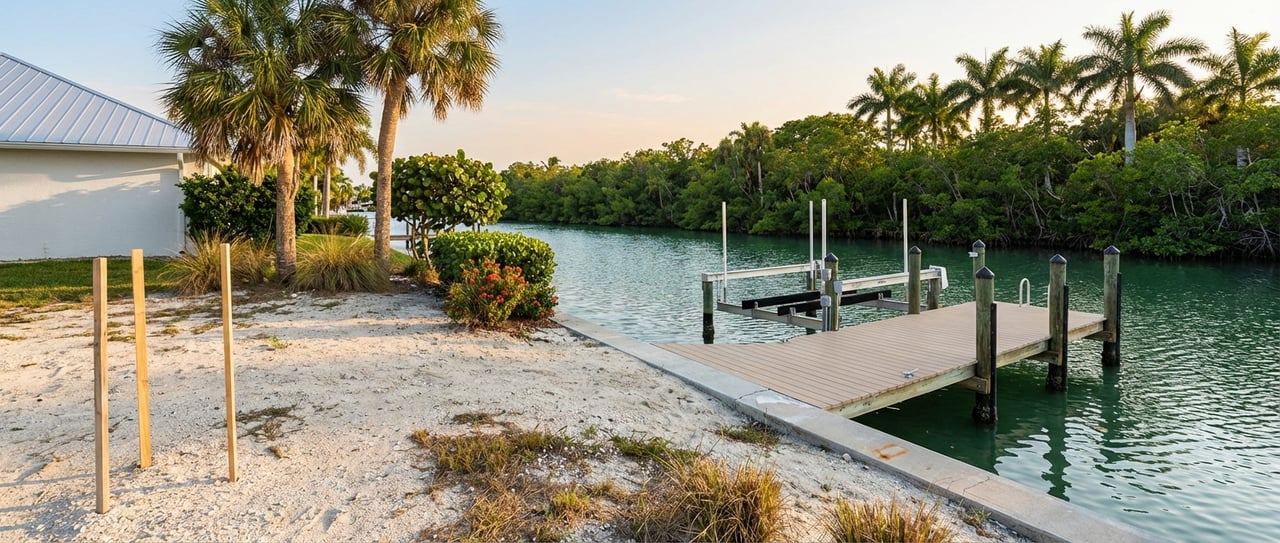
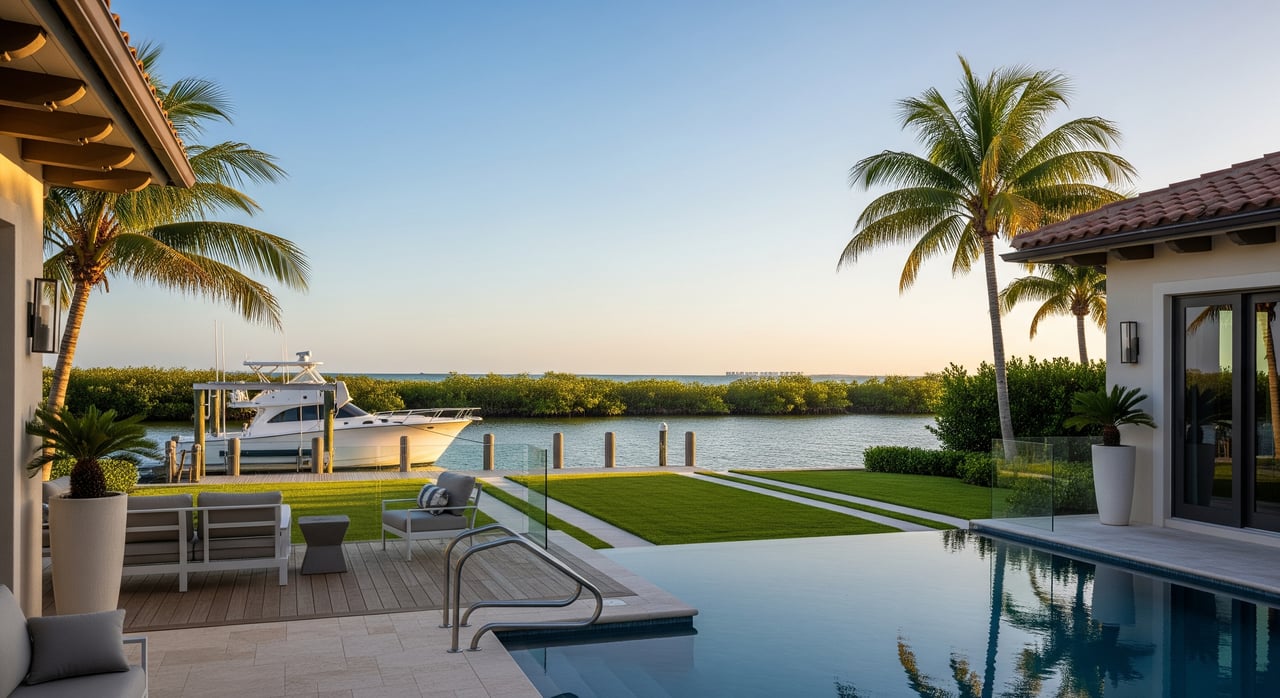
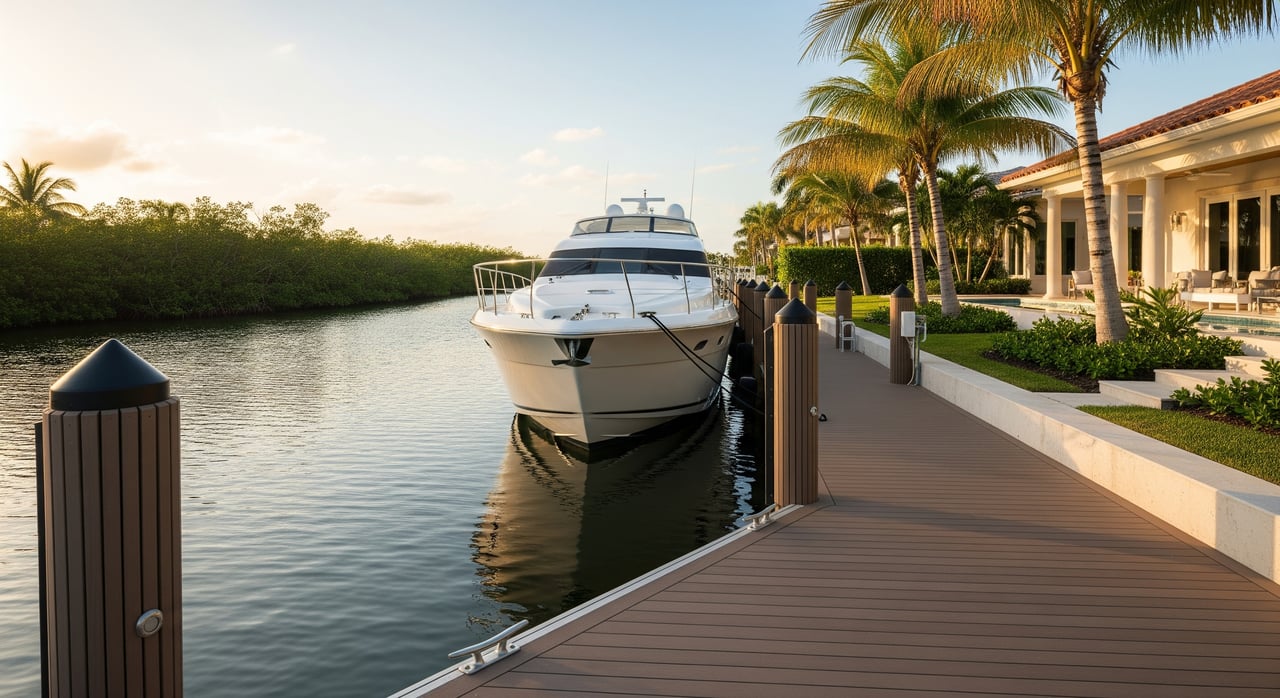
Private docks on Capri often use fixed pilings with finger piers. You will also see floating docks and a mix of boat lifts or davits. Many properties have seawalls or riprap along the shoreline. Check the condition, age, and permit history of any existing dock or seawall so you understand maintenance needs and compliance before closing.
Utilities and equipment to check
Confirm water and shore power at the dock, including whether 30 Amp or 50 Amp service is available. Review lighting, ladders, cleats, and the overall condition of pilings. If there is a boat lift, verify rated capacity, service records, and whether the lift is privately owned or part of a shared system. Ask where the nearest fuel and pump-out services are located if you do not have them on site.
Community and HOA dock options
Some developments offer shared or community dockage. If a property relies on an HOA dock, ask about priority lists, fee schedules, and guest slip rules. Clarify whether subletting is allowed, if there are limits on boat size or type, and how maintenance is handled.
Marinas and services: Capri vs. Marco Island
What marina services matter most
Look at slip type and size, depth at low tide, fuel and pump-out access, and whether long-term slips or dry storage are available. If you want mechanical help or haul-out, ask about on-site services and any insurance requirements. Always ask about waitlists, emergency procedures, and hurricane policies.
How Isles of Capri compares with Marco Island
Isles of Capri is primarily residential with fewer large marinas. Some docks here provide quick access to backbay channels, but full-service marina options can be limited. Marco Island typically offers more and larger marinas, broader mechanical support, and more transient and long-term storage. If you need guaranteed large-slip availability, haul-out, or frequent professional service, Marco Island often has more choices. If you prefer a neighborhood feel with casual boating and proximity to certain waterways, Capri can be a great fit.
Practical steps to evaluate marinas
- Call marina managers for current slip sizes, depth at low tide, and waitlist length.
- Get detailed fee schedules, insurance requirements, and rules for guests or subletting.
- Confirm hurricane procedures, including haul-out, tie-downs, or evacuation policies.
- Ask about any restrictions on boat type or engine size.
Permits, rules, and the environment
Who regulates what
Waterfront work often involves several agencies. The U.S. Army Corps of Engineers may be involved for navigable waters or dredging. The Florida Department of Environmental Protection oversees certain coastal and environmental permits. Collier County manages local permits for docks, seawalls, and lifts. The Florida Fish and Wildlife Conservation Commission and the U.S. Coast Guard set and enforce boating safety and navigation rules.
Common permit needs and protected areas
New docks, extensions, or lifts usually require county approval and can also need state or federal permits. Seawall repairs or replacements are often regulated and may affect neighboring shorelines. Dredging is highly regulated and can require multi-agency review. Mangroves and seagrass beds are protected, so removal or alteration typically needs permits and mitigation. Marinas and boaters must follow water quality protections that address fueling, bilge discharge, and runoff.
Insurance, flood zones, and rights
Many waterfront homes sit within FEMA flood zones. Premiums differ by property and policy type. Marinas and some HOAs may require specific boat insurance coverage and named insureds. Review easements and riparian rights in the deed or title documents so you understand dock rights, maintenance obligations, and access across the shoreline.
Showing-day checklist for buyers
Bring these questions to your showing or when calling a marina, county office, or HOA. They will help you confirm the details that impact day-to-day boating.
Property and dock basics
- Is there an existing dock or seawall, and what is the age and condition?
- Are there as-built drawings and permits for the dock, seawall, and any boat lifts?
- Who is responsible for dock and seawall maintenance?
- What is the documented depth at the dock and the nearest channel at mean low water?
- Is the dock on fixed pilings or floating components? What are the lift capacities?
- Are there easements, shared dock agreements, or riparian rights limits on title?
Bridges, clearance, and route to open water
- What route do you take from this dock to the Gulf, and which pass or channel do you use?
- Are there fixed bridges on the route? If yes, what is the vertical clearance at mean high water, or who can confirm it?
- How long does it usually take to reach open Gulf water under typical conditions?
Marina and service access
- What is the nearest marina with fuel, pump-out, and mechanical services?
- Are there transient or long-term slips available nearby? What are the fees and waitlist times?
- If the property uses a community or HOA dock, what are the rules for guests, subletting, or commercial use?
Regulatory and environmental
- Are all existing shore structures permitted and compliant with county and state rules?
- Has any dredging, dock repair, or seawall work been completed recently? Are assessments pending?
- Are there mangroves, seagrass, or other protected resources adjacent to the site?
Insurance, storms, and safety
- Is the home in a FEMA flood zone, and what flood policies have been used in recent years?
- Does the marina or HOA have a hurricane plan, and what are the rules for evacuating or storing boats during storms?
- Who handles off-season storage if needed?
Operational and practical
- What are typical wind, wake, and traffic conditions at the dock?
- Are there known shoals, sandbars, or shallow flats nearby?
- Are night markers visible and is dock access secure and well lit?
- How are utilities at the dock metered and billed?
Documents to request
- Dock and seawall permits, as-built drawings, and recent inspection reports.
- Maintenance records for lifts and hardware.
- HOA rules for docking, fees, and emergency policies.
- Any recent sounding or hydrographic survey of the shoreline or channel.
- Title or plat showing riparian rights and recorded easements.
Smart next steps
Boat access on Isles of Capri can be excellent if the route, depths, and dock setup match your vessel and lifestyle. Verify channel depths and bridge clearances with official charts and local sources, and confirm permits and maintenance history for all shore structures. If you plan to rely on marina services, compare options on Capri and Marco Island, and get live updates on slip availability and waitlists. When in doubt, hire a marine surveyor or consult a local captain to walk the route with you.
If you want a calm, concierge-guided process, connect with a local expert who understands both Capri and Marco Island micro-markets. For a private plan that fits your boat and your wish list, schedule a consultation with Debbie Bur.
FAQs
How does Isles of Capri access the Gulf compare to Marco Island?
- Capri offers residential docks with quick access to backbays and nearby passes, while Marco Island typically provides more full-service marinas and larger slip inventories.
What should I verify about bridges near a Capri property?
- Confirm whether your route has fixed bridges and the vertical clearance at mean high water for your boat, using official charts, agency records, and on-site measurement.
How do tides and shoaling affect daily boating on Capri?
- Tides are usually small, but depths still drop at low tide and shoaling occurs in backbay channels, so confirm depth at the dock and along your route before purchase.
Do I need permits to add or modify a dock or lift?
- Most new docks, extensions, and lifts require Collier County approval and may need state or federal permits depending on site conditions and environmental resources.
What environmental factors should I look for at a waterfront lot?
- Check for mangroves, seagrass, or other protected resources that can affect dock design, maintenance, and any dredging plans.
How should I prepare for hurricane season as a boat owner here?
- Review your marina or HOA hurricane policies, plan evacuation or haul-out options, and confirm flood zone status and required insurance for the home and vessel.
Where can I find fuel, pump-out, and mechanical services if my dock lacks them?
- Ask nearby marinas about current services, slip availability, fees, and waitlists, and compare options on Isles of Capri and Marco Island.